

10 Ecommerce SEO Trends For 2026
Having trouble keeping your online shop visible in search results? Many of us know how that feels, especially as ecommerce evolves faster than ever. After reviewing the latest insights, we’ve identified the key Ecommerce SEO Trends for 2026 to help drive more traffic and boost sales.
Curious about what’s ahead? Here’s what we’ve found!
Key Takeaways
- AI boosts search by offering personalised results, analysing user behaviour, and improving content discoverability with tools like LLMs and visual search.
- Structured data enhances SEO with schema markup, aiding product indexing for better rankings, rich snippets, and voice searches.
- Voice search changes shopping by focusing on natural language queries and intent-driven interactions through smart assistants.
- Mobile-first design is critical as over 60% of web traffic comes from mobile devices; faster loading speeds improve engagement and sales.
- Social commerce combines optimised keywords, alt text, in-app checkouts, and AI tools to align social media strategies with SEO goals.
Key Ecommerce SEO Trends for 2026
SEO in e-commerce will shift as technology grows. Tools like AI and structured data can boost online visibility, making shopping smarter and faster.
How does AI improve search and content discovery in ecommerce?

AI turns search engines into smart “answer engines.” It boosts discoverability in AI-generated summaries, helping brands stand out. With tools like large language models (LLMs), users get more relevant search results based on intent.
AI analyses user behaviour to recommend products, making content highly personal. This increases session depth and improves click-through rates for online shopping platforms. Features like visual search also enhance product discovery using high-quality images with optimised alt text.
Structured data plays a big role too. Schema markup lets Google’s web crawlers index products effectively, improving rankings on search engine result pages (SERPs). AI-driven content creation uses this data to optimise descriptions, aligning them with user queries.
For example, ecommerce stores can create dynamic content that aligns better with voice searches or long-tail keywords from Google Search trends. These strategies boost SEO performance across ecommerce platforms while keeping the focus on user experience and intent-driven solutions.
What impact does voice search have on conversational shopping?
AI-driven search tools lead us to voice search. It shifts how shoppers interact with online stores. Voice commands enable natural, conversational shopping journeys. Customers ask full questions like, “What’s the best coffee maker under £100?” instead of short keywords.
This change affects SEO optimisation and forces brands to focus on user intent.
Smart assistants link clusters of intent to purchasing goals. They guide users from queries straight to checkout pages or featured snippets. Schema markup helps products stand out in voice results, especially for mobile searches.
Mobile-first design boosts engagement since many use phones for these searches. Following E-E-A-T principles builds trust and improves rankings during such interactions.
How can structured data enhance rich snippets for ecommerce?
Structured data boosts product visibility by making information like prices and reviews machine-readable. It helps search engines show detailed rich snippets, improving click-through rates for online retailers.
Using schema markup lets us highlight stock availability, verified user-generated content, and competitive pricing.
Google’s rankings favour accurate metadata linked to structured data. This strategy aligns with E-E-A-T principles, building trust through reliable details in search results pages.
Adding this improves our chances of appearing in AI-driven summaries or video searches as well.
Why is mobile-first performance crucial for ecommerce SEO?
Mobile-first performance drives better user experiences. Over 60% of web traffic comes from mobile devices, so a slow or unresponsive site can drive shoppers away. Responsive design is key here; it helps pages adapt to any screen size quickly.
Using tools like Google Pagespeed Insights and Core Web Vitals improves loading time. Faster speeds mean happy customers, lower bounce rates, and more conversions. Interaction to Next Paint (INP) measures how fast users can engage with mobile content.

This metric matters for keeping people on the page longer.
Search engines favour sites that focus on mobiles first. Google’s mobile-first indexing checks your mobile version before ranking your site in search results. A seamless experience boosts credibility and rankings at once! E-commerce stores that lag behind in this area risk losing traffic and sales to competitors who optimise properly.
Crawlable sitemaps also play a role in higher visibility online while ensuring every touchpoint works efficiently across devices keeps buyers clicking through instead of bouncing off!
Conclusion
Ecommerce SEO is changing fast. Trends like AI tools, mobile-first design, and voice search are reshaping strategies. Social platforms, structured data, and visual search are driving new ways to connect with shoppers.
Staying sharp with these updates gives brands a leg up on the competition. Let’s keep adapting and growing in this exciting space!
FAQs
1. What are the top ecommerce SEO trends for 2026?
The key trends include personalisation, user-generated content, server-side rendering, and compliance with privacy policies. Omnichannel strategies and blockchain technology are also gaining traction.
2. How will Google algorithm changes impact ecommerce SEO?
Google updates will focus on user intent, local search improvements, and better handling of paginated content. SEOs must adapt to stay competitive in rankings.
3. Why is server-side rendering important for ecommerce websites?
Server-side rendering improves website speed and helps Googlebot crawl pages more efficiently. This can boost performance metrics and enhance search engine optimisation results.
4. Will cookies still play a role in digital marketing by 2026?
Cookies may see reduced use due to stricter privacy policies and corporate responsibility demands. Businesses should explore alternative methods like analytics tools or tagging solutions.
5. How does user research help improve SEO strategies?
User research uncovers customer needs and behaviours, which helps businesses optimise their content marketing efforts while aligning with search engine optimisation goals.
6. Is keyword stuffing still effective in 2026?
No, keyword stuffing harms your site’s ranking under modern algorithms like those used by Google searches today; focus instead on clustering keywords naturally within valuable content for better click-through rates!




How can social commerce be integrated effectively with SEO?
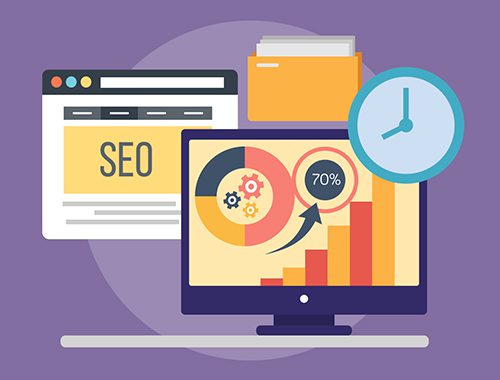
We align social media content with SEO strategies to boost visibility. Platforms like Instagram thrive when posts include optimised keywords or hashtags. Integrating keyword research makes products easier to find during searches.
For example, using accurate alt text improves accessibility and enhances Google ranking for product images.
Incorporating in-app checkouts creates seamless shopping experiences while supporting search engine optimisation efforts. AI tools on platforms enhance content recommendations, helping us refine our approach to targeting user intent.
Collaboration between our SEO and social teams is essential for crafting engaging SEO content that drives website traffic from these touchpoints. Next, we will focus on mobile-first performance for stronger e-commerce growth!